

Rehearsing Courage
A Mental Practice to Step Into Your Best Self

Change is hard.
It’s easy to talk about wanting to step into a more authentic version of ourselves — to live with less friction, fewer draining obligations, and more alignment with who we really want to be. We dream about embodying confidence, clarity, and purpose.
But dreaming isn’t the same as doing.
The uncomfortable truth is that change is rarely smooth. We fall back into old habits. We don’t want to disappoint others. We doubt if we deserve better. And sometimes, the thought of failing publicly — saying we’re going to do the thing, then not quite getting there — feels worse than not trying at all.
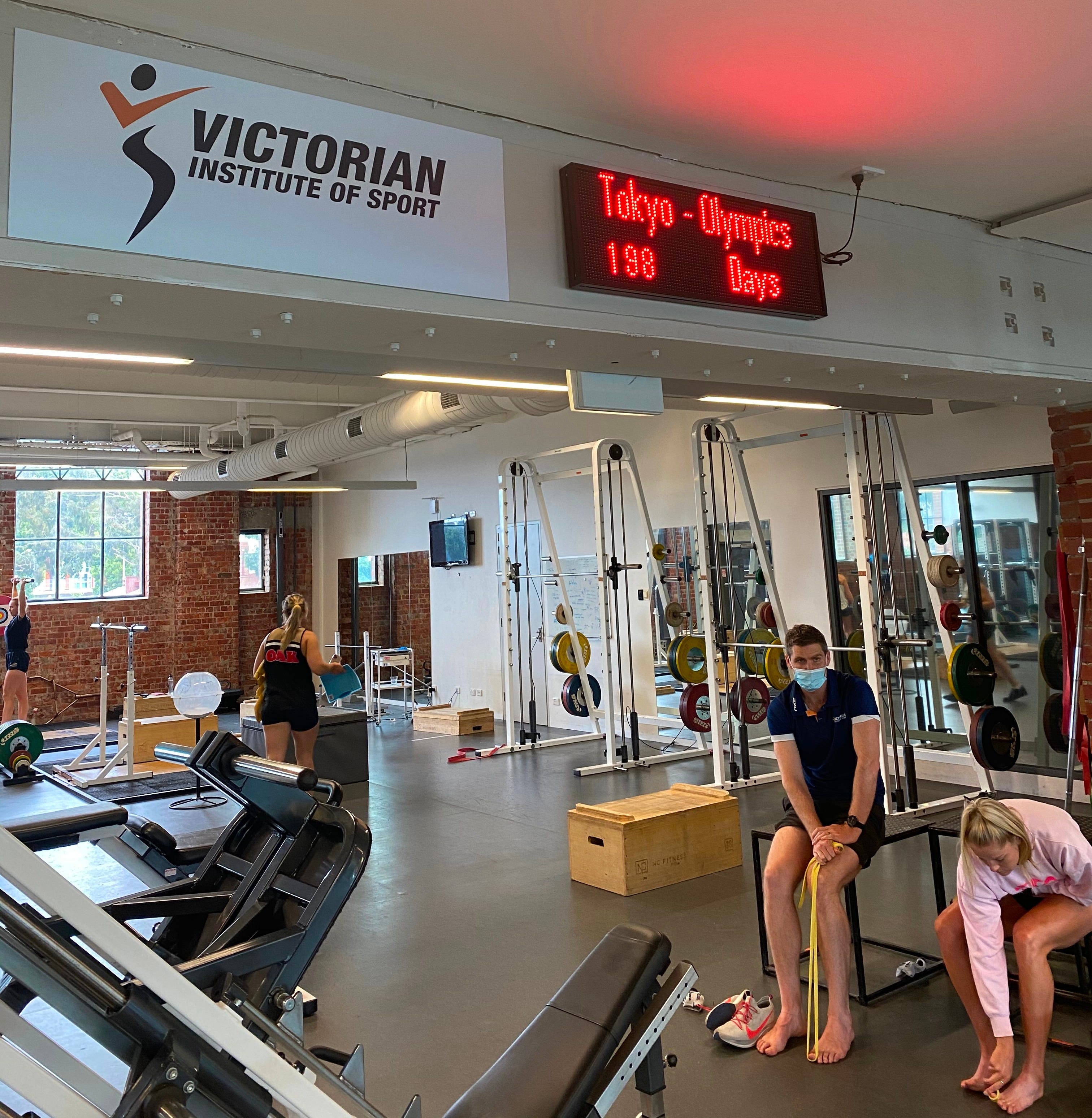
Training at the Victorian Institute of Sport (VIS) with a reset countdown clock, 2021
I’ve seen this play out in sport, in business, and in everyday life.
For the last few years, I’ve been working as a management consultant in behavioural change management, helping organisations navigate big technological, operational, and cultural transformations. The biggest hurdle isn’t the strategy or the systems — it’s the people. We say we want change, but when faced with doing things differently, resistance kicks in.
Not because people are lazy or bad at change. But because we’re human. A lot of things that are outside of our control impact outcomes. We like certainty and predictability. We tolerate inefficiencies because at least they’re familiar.
In sport, making a change — whether it’s responding to feedback, tweaking technique, or completely resetting your mindset, is what separates good athletes from great ones. The hardest part is the void that comes with it: that awkward, scary space where you have to trust the process before you see results. In rowing, change often means you’ll get slower before you get faster. It can almost feel impossible to buy into the idea that there’s enough time to “get worse” before the breakthrough finally arrives when you’re training for the Olympics and there is a narrow margin for error.
This is the universal challenge we see in everyday life:
We don’t like discomfort. We don’t the feeling of fear. We don’t like the unknown.
So we avoid it.
But here’s the shift: what if, instead of avoiding those feelings, we practiced sitting in them?
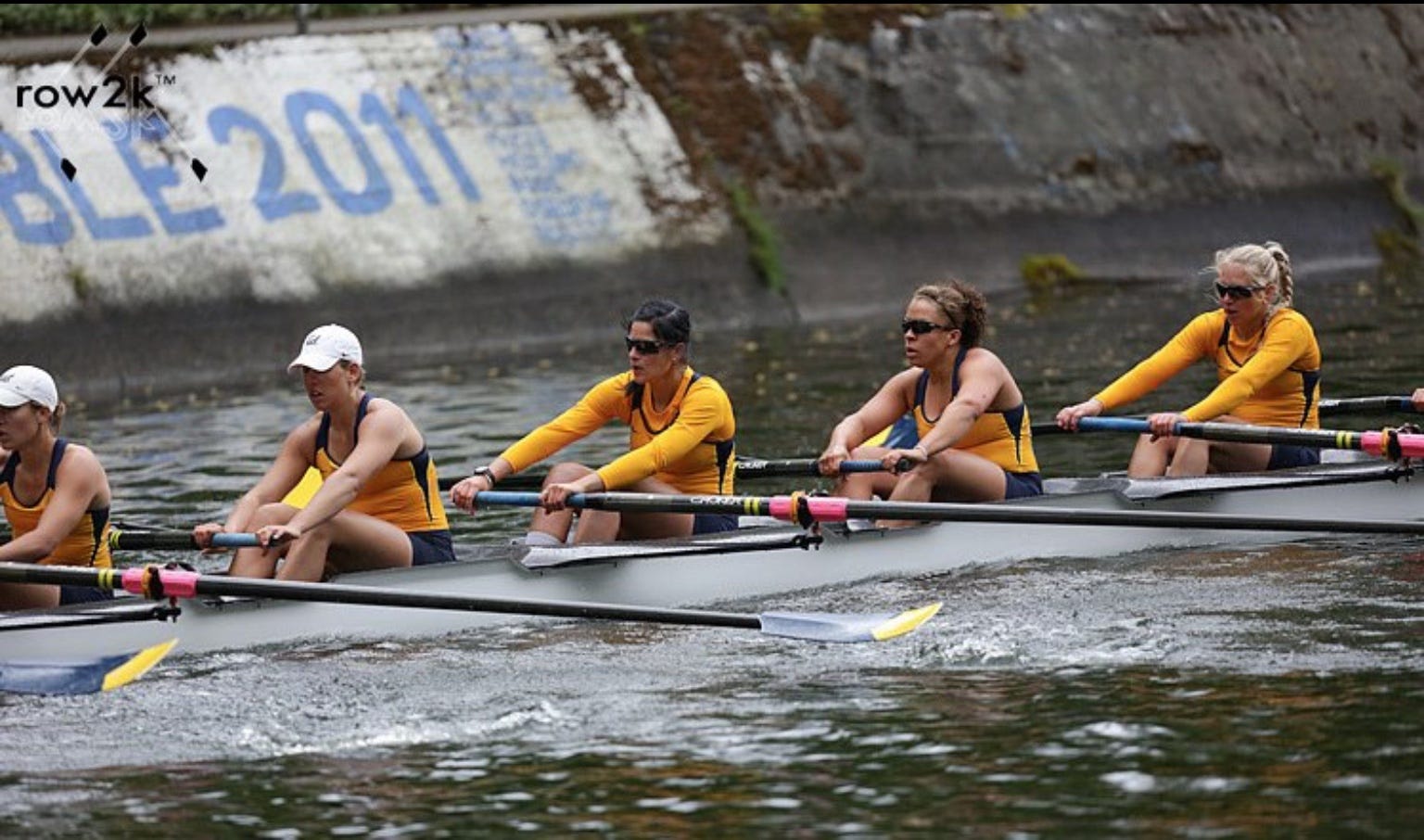
Cal Bears JV, 2013
That’s where mental rehearsal comes in.
I was first introduced to mental rehearsal (or visualisation) through sport. Ever since my high school days, it was normal for the coxswain to walk us through the race plan the night before.
We’d gather in a hotel room, my crew spread across the couches, floor, and beds while the cox set a timer for the average race length. They’d guide us through the calls: when we’d push, when we’d make our big moves, and how we’d wind to the line. These sessions didn’t just align us on the strategy; they synced us as a unit. We bought into the plan together, rehearsed moving as one, and eliminated the guesswork before we even touched the water.
Leading into Tokyo, my crew rehearsed mentally every single day. I think this may have been our secret sauce. Due to the COVID restrictions we had no chance to race against our competitors before the Olympics. We had just two to three six-and-a-half-minute races in Tokyo to prove ourselves, which is less than 20 minutes of competition after 15 years of training. No second chances.
Let that sink in. Less than 20 minutes of work for about 7.9 million minutes of preparation.*
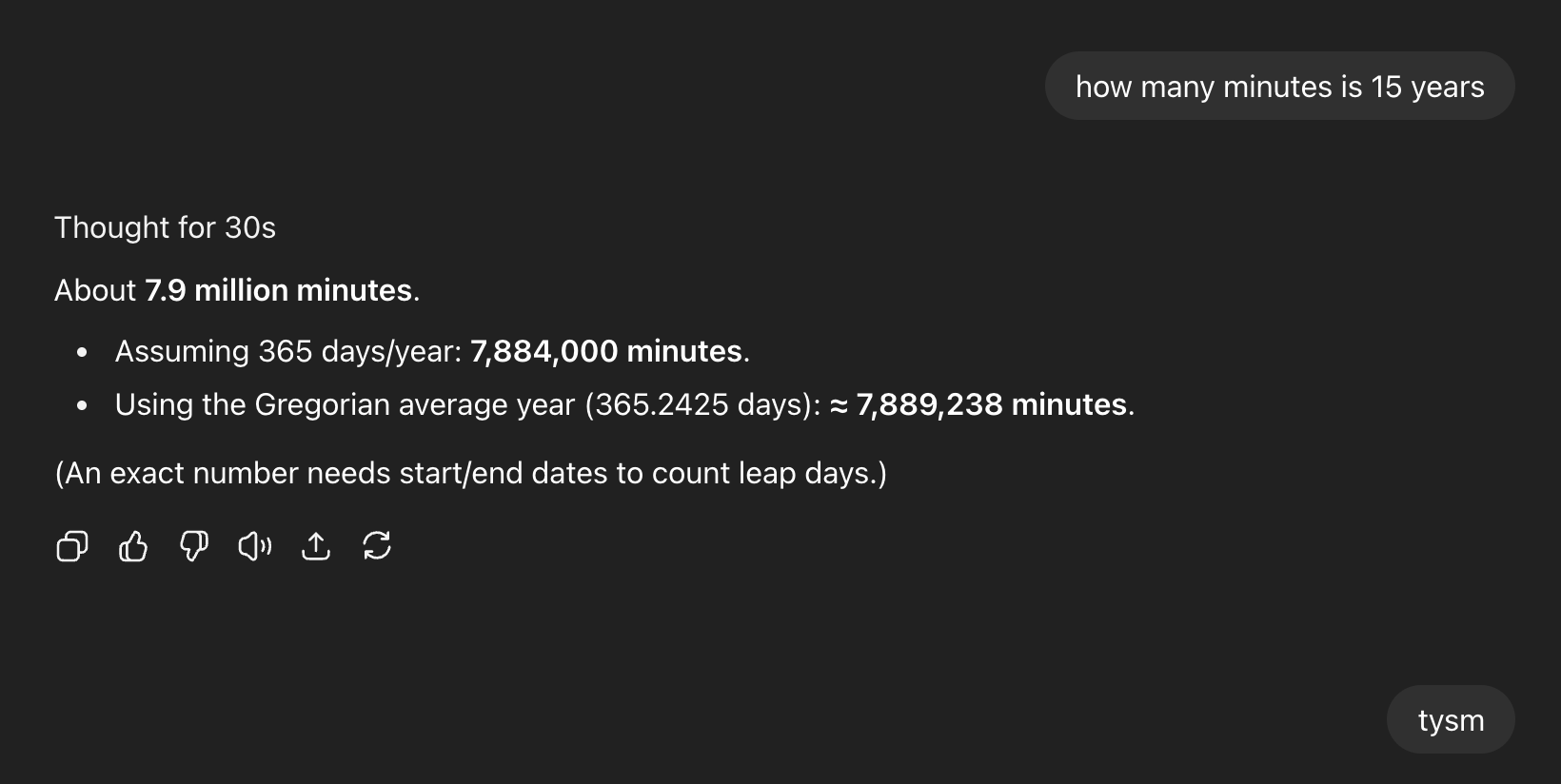
* source ChatGPT. I’m not going to do the math on a calculator but that sounds impressively overwhelming.
Yes, we trained physically and built trust. But equally important: we practiced what we wanted to feel.
We rehearsed not only how we wanted to respond when things went well, but also how we’d respond when things went pear shaped. We asked each other: How will we respond if there was a bus delay? An injury or positive COVID test that meant a reserve had to step in? An equipment failure? What if there was a false start, or we missed our rhythm off the line? What if someone caught a crab? Our bow seat, Lucy, would guide us through race visualisations at the end of each 2km (the race distance) of our training rows in Australia. I let myself get so nervous in those sessions that I felt sick — adrenaline, dread, fear of failure. But I chose to go there, in the safety of rehearsal, because I knew those feelings were coming eventually. Better to face them now than freeze later, when it mattered.
And when the Olympics came, it worked. I felt resilient, steady, and, most importantly — that I would leave Tokyo with zero regrets and no “if only’s.” Because I had already “failed” a hundred times in my mind, and walked through the fire to find my way back.
For me, the real value of mental rehearsal lies in the in-between. It’s not just about preparing for the highlight reel or standing in front of the mirror, hands in the air like you’re in the middle of the podium (also did this too tbh) — it’s about learning how to face the everyday moments of fear, insecurity, and doubt that inevitably creep in while we’re building towards transformation.
That’s the true gift of mental rehearsal:
It’s not just about picturing success.
It’s about practicing failure and the uncomfortable stuff — and learning you can survive it.
Retrofitting sports skills into real life
Last week, I was asked to guide a mental rehearsal at a local community event called Speed Dreaming, run by the incredible (among many things) DJ and life coach Adrianna Lazaridis. It’s a gathering of strangers looking to connect, share ideas, and unlock their ambitions.
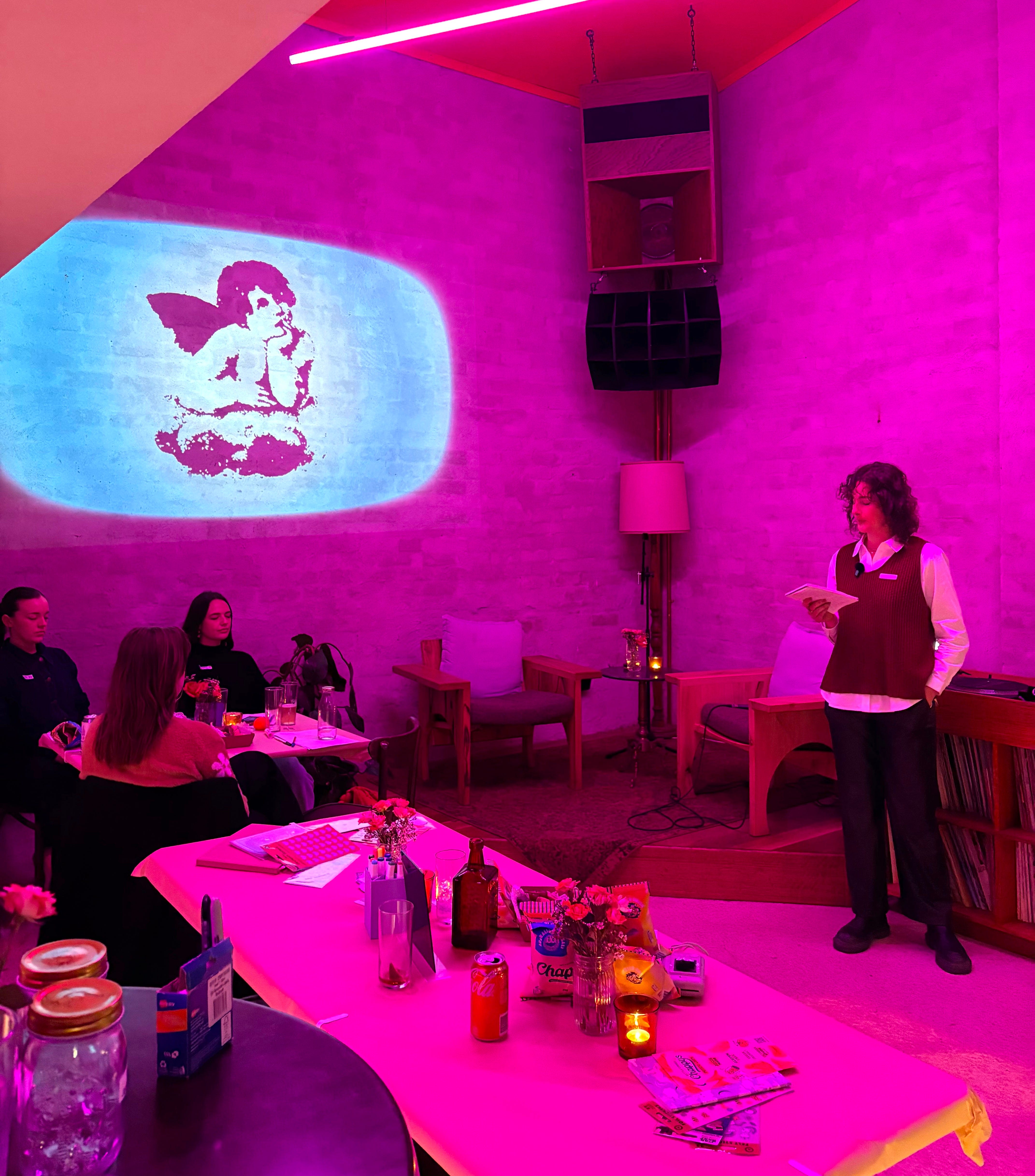
Speed Dreaming
It was a cool moment for me, because it was the first time I got to bring this skill into an everyday context for others. Not for athletes. Not for boardrooms. But for people who simply want to grow into the best version of themselves.
When I designed the session, I wore three hats: athlete, change manager, and dreamer. I wanted attendees to practice confronting what was holding them back — whether that was a difficult conversation, a toxic habit, or simply the voice of self-doubt. And I wanted them to leave with one tangible action they could take immediately to move closer to their best selves.
Mental rehearsal isn’t just about the big days.
It’s about everyday.
Try it yourself
I’ve adapted the script I used at Speed Dreaming plus a 10 minute guided audio version for you to use below (beyond this paywall, but I think you can redeem your one free single use unlock. So it’s free).
Remember, change is hard, but it doesn’t have to catch us off guard.
Mental rehearsal teaches us that discomfort isn’t the enemy — it’s the training ground. It’s where we build capacity, courage, and resilience long before the real test arrives.
You don’t need to be an Olympian to practice this. Maybe it’s visualising yourself in the car before having that tough conversation. Maybe it’s sitting in those feelings of nerves before you hit “send” on the job application. Maybe it’s having a mental plan to resist the urge to tap ‘one more minute’ on your Instagram time limit, and instead putting your phone down and picking up a book.
Maybe it’s walking through the fear of saying no when you’ve always said yes. Maybe it’s being okay to let uncertainty wash over you and trust that everything is going to be ok.
If you rehearse the hard parts — the fear, the doubt, the wobble — then when the moment comes, you’ll already know you can survive it.
So don’t just picture success. Practice being brave to navigate through the discomfort that gets you there.
<3 R
Song: BLOOM by Doechii
Read and Listen: Guided or read Mental Rehearsal Script, below x
